With the excitement of the Olympic Games still fresh in the minds of fans, rhythmic gymnastics is taking center stage as it garners increased popularity globally. This captivating sport combines elements of ballet, dance, and gymnastics, creating a visually stunning performance that leaves audiences in awe. In this text, we explore the latest developments in rhythmic gymnastics, from its key components and recent milestones to upcoming events that fans can look forward to. Join us as we investigate into the rhythmic world that blends athleticism and artistry into a spectacular showcase of talent.
Overview of Rhythmic Gymnastics
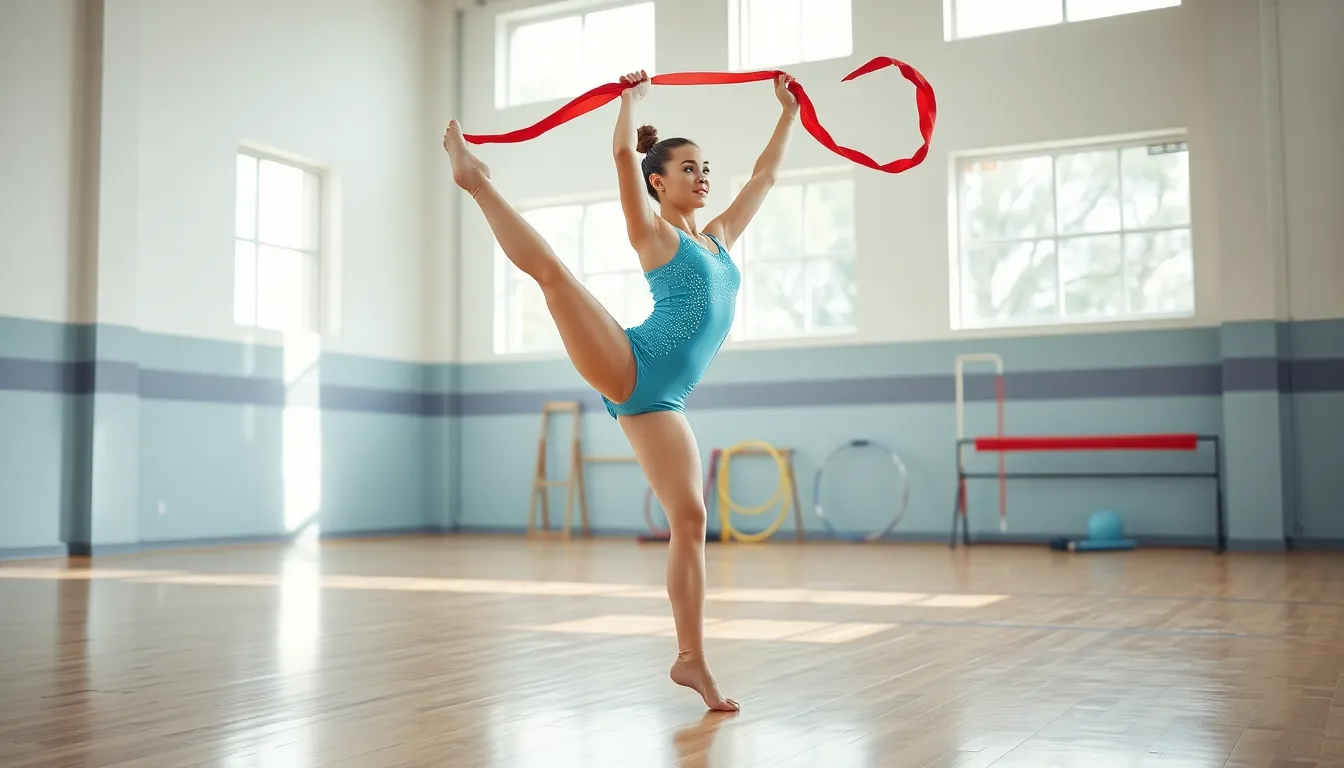
Rhythmic gymnastics is a unique discipline that has captivated sports enthusiasts since it became an Olympic sport in 1984. This graceful athletic form focuses on the combination of dance and acrobatic movements, all performed with various handheld apparatuses.
Key Elements of the Sport
Essentially, rhythmic gymnastics blends multiple disciplines. The key elements include:
- Flexibility and Strength: Athletes need a high level of flexibility, balance, and strength to execute intricate movements.
- Musicality: Performances are set to music, which highlights the need for athletes to synchronize their movements with rhythm and expression.
- Technical Skills: Each routine features a combination of jumps, spins, and balances, requiring precision and technique.
Popular Routines and Equipment
Performances in rhythmic gymnastics include routines with ribbons, balls, hoops, clubs, and ropes. Each apparatus offers its own set of challenges:
- Ribbons: These emphasize fluidity and grace, allowing gymnasts to showcase elegant movements.
- Balls: Used to display tosses, catches, and various rolling techniques.
- Hoops: Challenge the gymnast’s ability to maintain control while performing complex routines.
- Clubs: Demand high levels of coordination and timing as they are tossed and caught during routines.
- Ropes: Involve jumps and movements that test strength and agility.
As each gymnast develops her own style, the routines become a true reflection of individual artistry, making rhythmic gymnastics a spectacle worth watching.
Recent Achievements and Milestones
The competitive landscape of rhythmic gymnastics has seen significant evolution in recent years, with athletes setting new benchmarks and breaking records.
Top Athletes to Watch
Among the elite athletes that have recently made headlines is Bulgaria’s Katrin Taseva, who won multiple medals at the last World Championships. Her routines exemplify the perfect blend of technical precision and artistic interpretation. Russia’s Dina Averina, another prominent name, continues to dominate the sport, earning accolades and recognition for her impressive performances, effective choreography, and commitment to excellence.
Emerging Talents in the Sport
Aside from established stars, several emerging talents are making waves. Italy’s Sofia Raffaeli, the youngest participant in recent international competitions, has shown tremendous promise, winning top rankings in junior categories. Her innovative routines and ability to captivate audiences indicate a bright future in the sport. Also, gymnasts from countries like Japan and Azerbaijan are beginning to compete at higher levels, suggesting a broadened competitive landscape that may reshape the elite hierarchy of rhythmic gymnastics.
Upcoming Competitions and Events
As rhythmic gymnastics continues to grow in popularity, numerous competitions are on the horizon, promising to highlight both seasoned professionals and upcoming stars.
Impact of Technology on Rhythmic Gymnastics
Advancements in technology have notably influenced the sport. Innovations in apparatus design enhance performance routines, making them safer and more visually compelling. Further, digital platforms allow fans to access competitions and training sessions worldwide, promoting engagement and learning. Streaming technologies are making it easier for fans to watch live performances, bridging the gap between athletes and audiences, while also giving gymnasts exposure through social media to share their journeys, routines, and training methods.
Fan Engagement and Community
Fan engagement plays a critical role in the growth of rhythmic gymnastics. Social media platforms have become vital in connecting fans with their favorite athletes, allowing for real-time updates, live interactions, and shared experiences from events.
Besides online engagement, local clubs organize workshops and demonstrations to promote the sport. These initiatives not only boost participation from young athletes but also cultivate a community of supporters who rally around competitions. Events such as open houses and exhibitions foster relationships between athletes and fans, encouraging greater interest and involvement in rhythmic gymnastics.
Conclusion
To conclude, rhythmic gymnastics stands at a crossroad of artistic expression and athletic prowess. With an exciting roster of competitions on the horizon, coupled with emerging talents and technological advances, the sport is set for exponential growth. As fans eagerly anticipate the next performances, the rhythmic gymnastics community continues to thrive, united by a shared passion that transcends borders and cultures. The latest sports buzz in rhythmic gymnastics reinforces its position not just as a competition but as a vibrant celebration of grace, strength, and creativity.